
Trained Response for High-Risk Environments
Armed Security Services in Atlanta for facilities and assets requiring licensed protection against serious threats
High-value properties, cash-handling businesses, and facilities facing documented threats require armed security officers trained to respond to violent incidents with appropriate force. These environments demand personnel who can deter armed criminals, protect occupants during emergencies, and neutralize threats before they escalate into harm. Martin Exec Protective Services deploys licensed armed officers who undergo continuous firearms proficiency training, legal use-of-force instruction, and scenario-based drills that prepare them for the split-second decisions armed response requires.
Armed officers maintain visible deterrence at entry points, conduct threat assessments of approaching individuals, and respond immediately to security breaches involving weapons or violence. The licensing requirements for armed personnel include background checks, psychological evaluations, and demonstrated firearms competency that exceed basic security guard standards. This level of preparation ensures officers understand legal boundaries, recognize escalating threats, and apply force only when necessary to protect life.
Request a risk assessment to evaluate whether your property threat profile justifies armed security deployment.
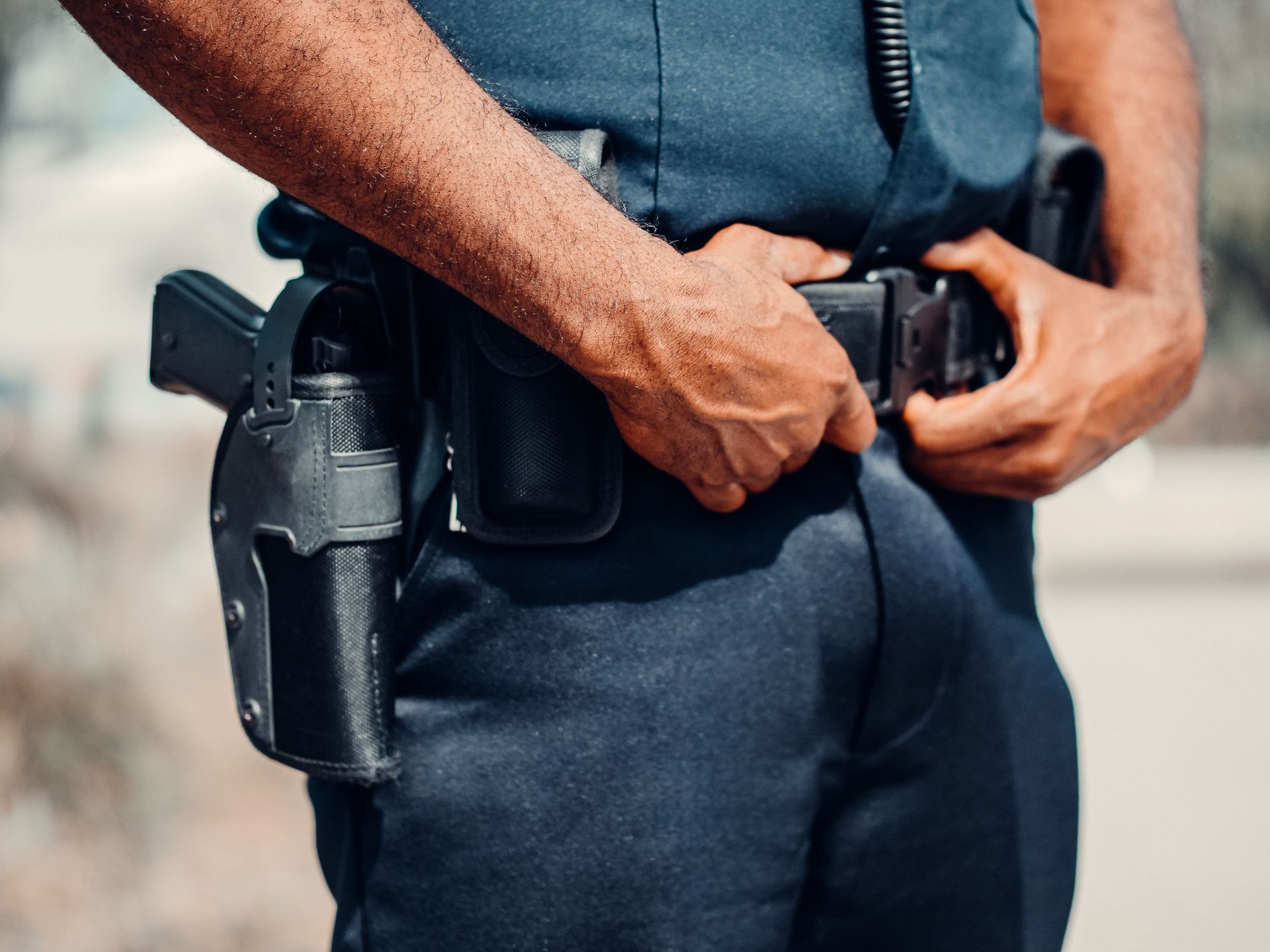
Why Armed Presence Changes Risk Calculations
Criminals targeting high-value properties conduct surveillance to assess security measures before attempting theft or violence. Armed officers visible at access points immediately signal that the property is defended by trained personnel capable of lethal response, shifting criminal targeting toward softer targets lacking equivalent protection. This deterrence effect reduces crime attempts more effectively than alarm systems or unarmed guards because it introduces personal risk criminals avoid when easier opportunities exist nearby.
Facility managers observe fewer loitering incidents near entry points, elimination of aggressive panhandling or confrontations in parking areas, and immediate response to alarm activations with armed backup already on-site. Officers document every incident involving potential threats, creating records that help management understand crime patterns and adjust security protocols based on observed targeting behavior.
Armed coverage requires liability insurance, clearly defined rules of engagement, and coordination with local law enforcement regarding incident response protocols. Officers are trained to distinguish between situations requiring armed response and those resolved through communication, ensuring force is applied only when threats to life are imminent and unavoidable.
What Property Owners Need to Know
Organizations considering armed security often have questions about licensing, liability, and the operational differences between armed and unarmed coverage.
What licensing do armed officers carry in Georgia?
Personnel hold state-issued armed security licenses requiring background checks, firearms training certification, and ongoing proficiency testing. These credentials are verified and maintained through annual renewals that include range qualification and legal updates.
How does armed security affect property insurance and liability?
Policies typically require proof of officer licensing, documented training records, and clear use-of-force policies before covering armed personnel. Insurers recognize that properly trained armed guards reduce overall risk despite the increased liability of firearms presence.
When does armed response become necessary instead of calling police?
Officers respond immediately to active threats on property, preventing harm during the critical minutes before law enforcement arrives. This on-site capability is essential in environments where delayed response allows violent incidents to progress.
How often do armed officers train to maintain response readiness?
Firearms proficiency training occurs quarterly at minimum, with scenario-based drills monthly to practice decision-making under stress. Atlanta facilities with armed coverage benefit from personnel who maintain skills through repetition rather than relying on infrequent qualification shoots.
What incidents require armed officers to discharge weapons?
Firearms are used only when an individual presents imminent threat of death or serious injury to officers or others, and no reasonable alternative exists to stop the threat. Every discharge triggers immediate law enforcement notification and detailed incident investigation.
Martin Exec Protective Services provides armed security only after thorough risk assessment confirms the threat level justifies this response capability. Schedule a consultation to review your facility's vulnerabilities and determine whether armed coverage aligns with documented risks and operational requirements.