Visible Protection Across Medical Facilities
Hospital Parking & Campus Security in Atlanta for healthcare properties requiring visitor safety and emergency response support
Hospitals face unique security challenges where parking structures, emergency access points, and campus walkways must remain safe for patients, visitors, and staff arriving at all hours. Martin Exec Protective Services patrols parking lots, garages, and hospital campuses with officers trained to assist during medical emergencies, monitor restricted areas, and maintain a visible presence that deters theft and aggressive behavior. Healthcare facilities in Atlanta depend on this specialized coverage when campus size or patient volume makes internal staff unable to monitor exterior areas effectively.
Campus security involves foot patrols through parking structures, monitoring access to loading docks and emergency entrances, and responding to visitor concerns or suspicious activity near patient care buildings. Officers verify that only authorized personnel enter restricted zones and assist with wayfinding or emergency situations when staff are occupied with patient care.
Arrange an assessment to review campus layout, high-traffic periods, and coordination with internal security teams.
How Hospital Security Patrols Function Daily
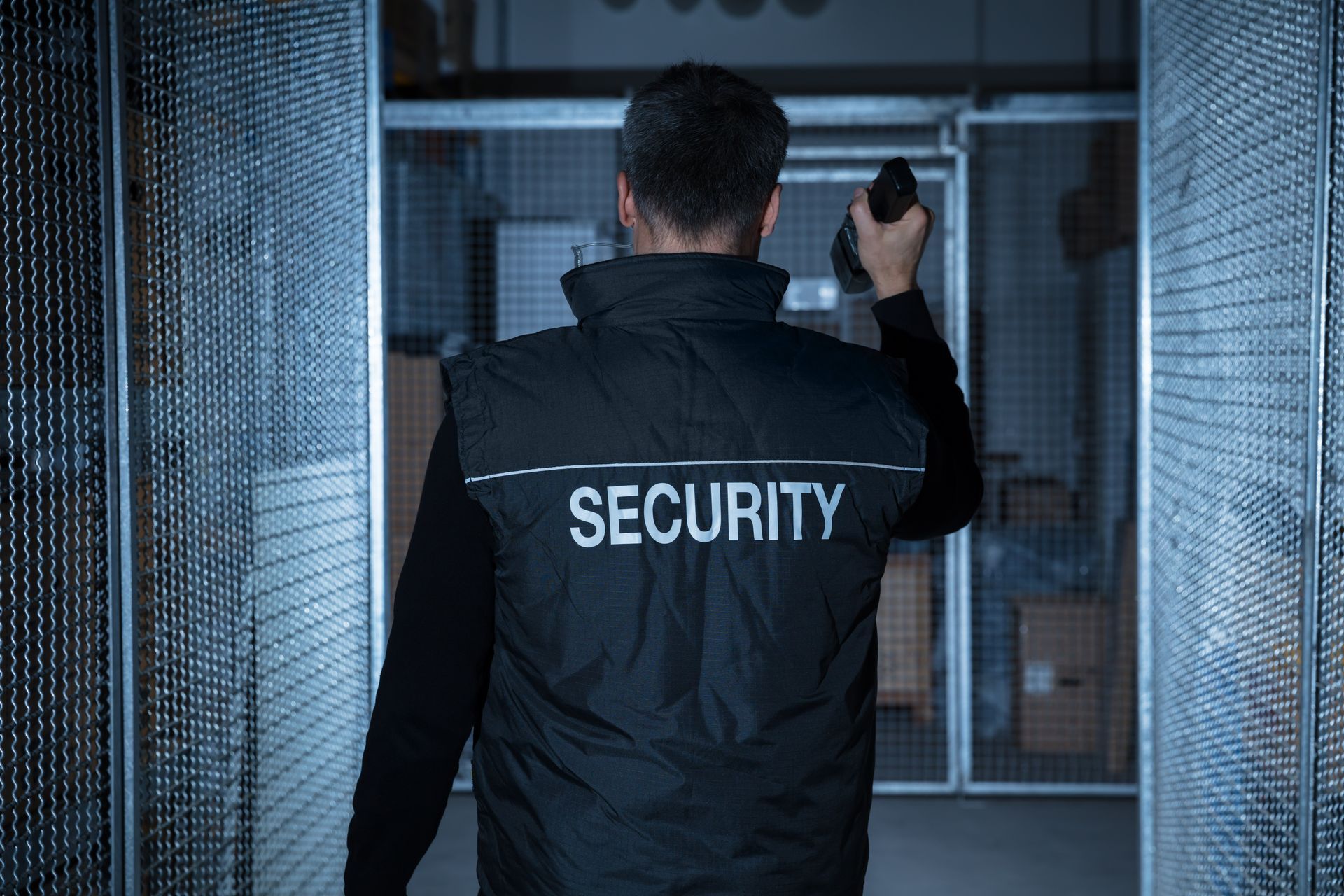
Patrols cover parking garages, surface lots, walkways between buildings, and perimeter areas where visibility decreases after evening visiting hours. Officers monitor vehicles idling near entrances, individuals loitering without clear purpose, and access attempts at service doors or mechanical areas. Emergency response training prepares personnel to assist medical staff during Code situations or escort distressed individuals away from patient areas without escalating tensions.
Once coverage begins, hospital administrators notice fewer vehicle break-ins, faster responses to visitor disputes, and improved coordination during patient transfers or emergency arrivals. Officers familiar with the campus recognize which vehicles belong to staff, which entrances remain locked after hours, and which areas require heightened monitoring during shift changes. Detailed incident logs document security events, supporting risk assessments and compliance with healthcare safety regulations.
Services include radio communication with hospital security, escorting staff to vehicles during late shifts, and reporting maintenance issues like broken lighting or malfunctioning access gates that compromise safety. Officers do not provide medical assistance but support healthcare operations by maintaining secure access and reducing distractions from patient care.
What Hospital Administrators Want to Know
Healthcare facility managers often ask about coordination with existing teams and how patrols adapt to campus-specific challenges.
How do officers coordinate with hospital security during emergencies?
Personnel receive site-specific training on Code protocols, communication channels, and which hospital staff to contact during different incident types, ensuring patrols support rather than interfere with internal response procedures.
What areas receive priority during overnight shifts?
Parking structures, emergency department access points, and isolated walkways between buildings get increased attention when visitor traffic decreases and staff work in smaller teams.
How are suspicious individuals handled near patient areas?
Officers observe and document behavior, communicate with hospital security, and request law enforcement assistance when individuals refuse to leave or display threatening conduct, avoiding physical confrontation unless immediate danger exists.
What happens when weather affects outdoor patrols in Atlanta?
Officers adjust routes to prioritize covered parking structures and building entrances during severe weather while maintaining visibility near emergency access points and ensuring walkways remain monitored despite conditions.
How does reporting work for multi-building campuses?
Shift reports detail patrol routes, incidents by location, and maintenance concerns, allowing administrators to identify patterns and allocate resources to areas experiencing repeated security issues.
Martin Exec Protective Services tailors hospital campus coverage to healthcare facility requirements and visitor flow patterns. Contact us to discuss patrol schedules, emergency coordination, and integration with your existing security infrastructure.