Routine Coverage for Manufacturing and Warehouse Properties
Industrial Patrol Services in Atlanta for plants and warehouses requiring theft deterrence and perimeter monitoring
Large industrial properties contain equipment, raw materials, and finished inventory worth tens of thousands of dollars sitting in areas visible from public roads or accessible through perimeter fencing. Officers conducting routine patrols for warehouses, plants, and industrial properties provide a visible security presence that deters theft, identifies trespassing before damage occurs, and monitors restricted zones where unauthorized access compromises safety or operational continuity. Martin Exec Protective Services structures patrols around shift schedules, production downtime, and high-risk areas where valuable materials sit unattended overnight. Facilities in Atlanta use these services when perimeter size or isolated locations make internal staff unable to monitor exterior zones while managing production responsibilities.
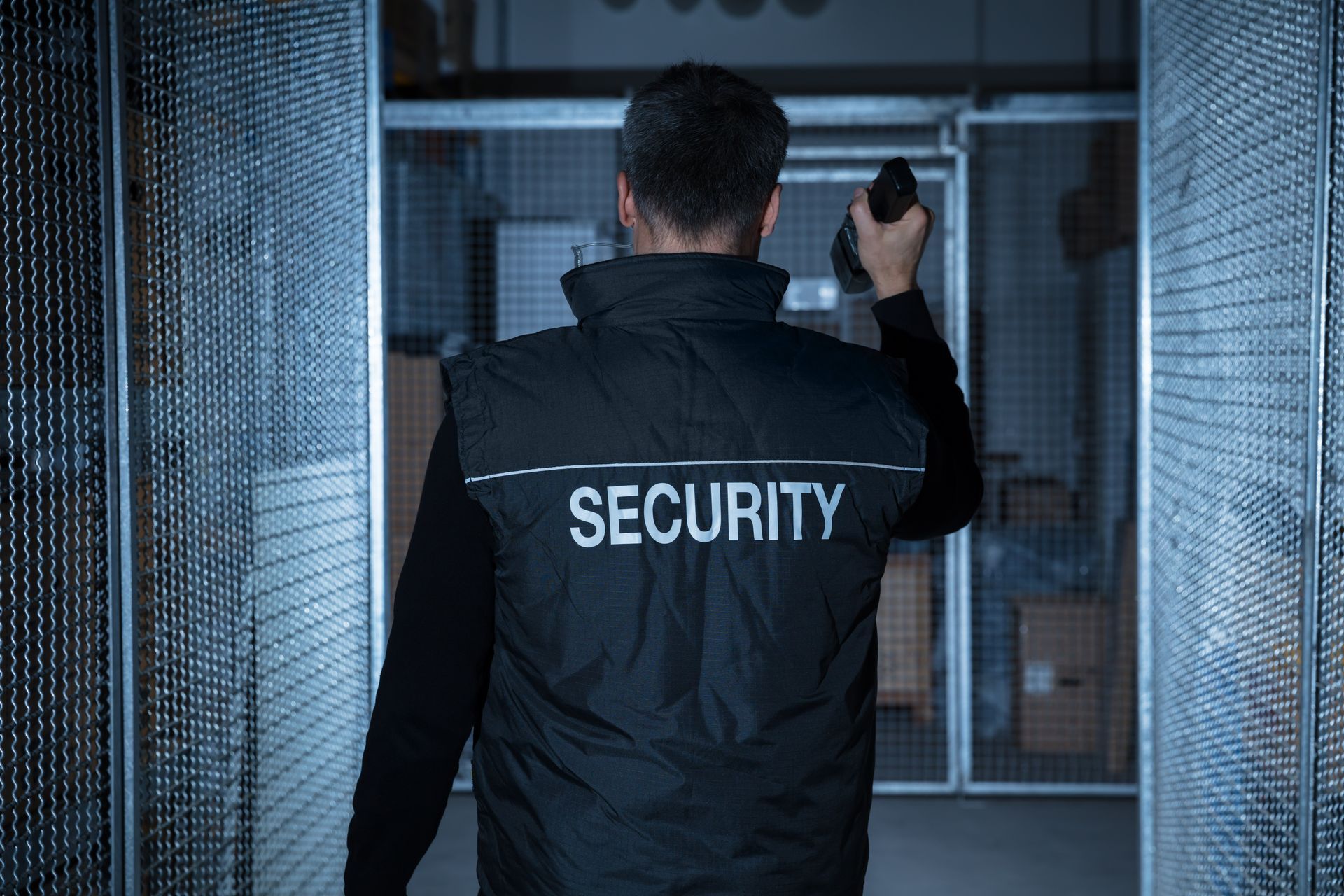
Industrial patrols involve walking or driving property perimeters, checking gate locks and fence integrity, and inspecting loading docks or equipment yards for signs of forced entry or tampering. Officers document conditions during each patrol, noting vehicles that appear repeatedly without authorization or damage to barriers that indicate attempted breaches.
Schedule a property walkthrough to identify vulnerable areas, patrol routes, and reporting requirements for your facility.
What Industrial Patrols Prevent and Document
Patrols cover perimeter fencing, equipment storage yards, chemical or material stockpiles, and access points where vandals or copper thieves target unattended facilities during weekends or after production shifts end. Officers check that gates remain locked, lighting functions properly, and no individuals are attempting to cut fencing or remove materials. Detailed reporting includes timestamps for each patrol checkpoint, photographs of suspicious activity or property damage, and immediate alerts when conditions require rapid response from management or law enforcement.
Once patrols begin, facility managers notice fewer break-ins, faster detection of trespassing or vandalism, and documentation that supports insurance claims when theft occurs despite preventative measures. Officers familiar with your property recognize which equipment belongs in specific zones, which vehicles are authorized for after-hours access, and which areas experience repeated security concerns that require enhanced monitoring. This familiarity reduces false alarms and improves response accuracy during actual incidents.
Services include unlocking or securing gates during shift changes, escorting maintenance contractors to restricted areas, and coordinating with local law enforcement when patrols identify criminal activity in progress. Officers do not operate heavy equipment or enter hazardous material zones but monitor those areas from safe distances and report concerns to qualified personnel.
Questions About Warehouse and Plant Security
Operations managers at industrial facilities often want to understand how patrols adapt to unique site layouts and production schedules.
How often do patrols check perimeter areas?
Patrol frequency depends on facility size and risk assessment, typically ranging from continuous presence during overnight hours to scheduled rounds every two hours for properties with active production monitoring during business hours.
What happens when patrols discover trespassing?
Officers observe and document the individual's location and activity, contact law enforcement for criminal trespass response, and maintain visual contact from a safe distance without confronting potentially armed or dangerous individuals directly.
How are patrol routes customized for industrial properties?
Routes prioritize high-value equipment zones, vulnerable perimeter sections, and areas where previous incidents occurred, with checkpoints adjusted based on seasonal risks like increased theft during copper price spikes or holiday shutdowns.
What equipment do officers carry during industrial patrols in Atlanta?
Personnel use flashlights, two-way radios for immediate communication, mobile devices for timestamped photo documentation, and GPS tracking that verifies checkpoint completion during each patrol round.
How does reporting help prevent future security incidents?
Detailed logs identify patterns such as repeated trespassing attempts at specific fence sections or vehicles appearing near the property before theft events, allowing managers to reinforce vulnerable areas or adjust lighting and barriers proactively.
Martin Exec Protective Services tailors industrial patrol coverage to match your facility's layout, production schedule, and identified risk areas. Contact us to discuss patrol frequency, checkpoint requirements, and integration with existing surveillance systems.